Three layers.
One system.
Every system we build has the same three parts. Here's what each one does.
Book a 30-min callDOCUMENTS & AUTOMATION (The Engine)
Stop paying people
to retype documents.
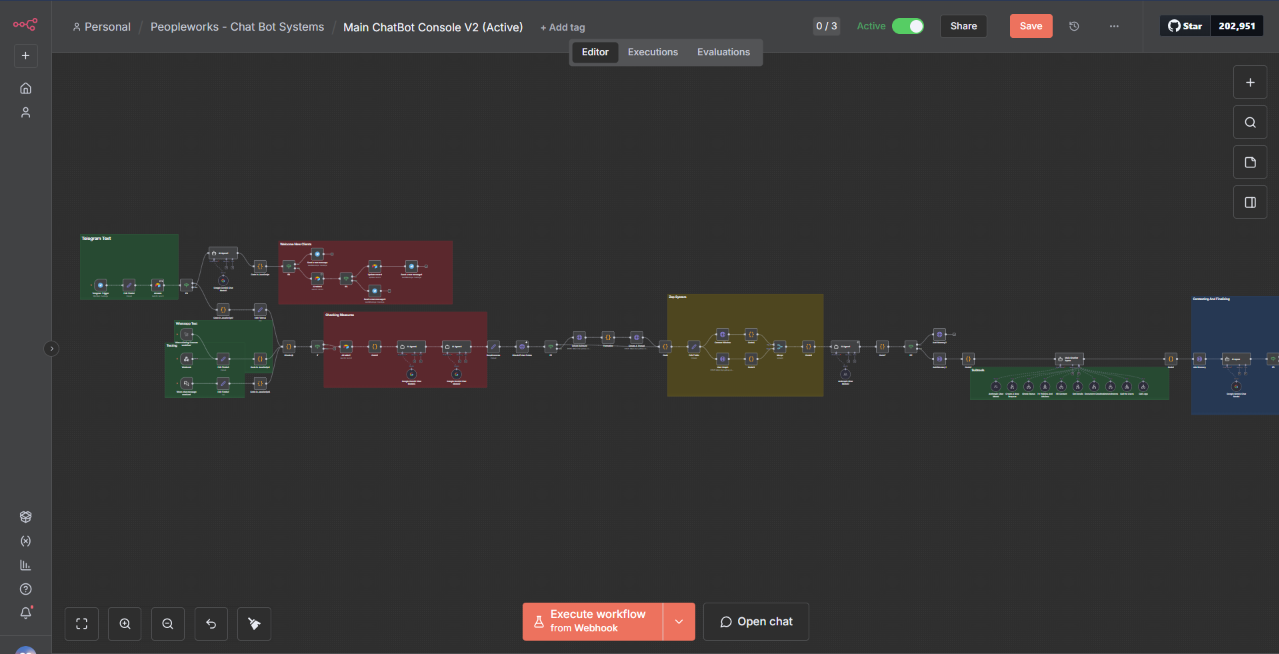
Documents arrive in every format and none of them are clean. We build the part that reads them, sends them to the right person, and files the result.
PLATFORM & DEVELOPMENT (The Body)
The system your
team logs into.
Reading a document is one step. Someone still has to use this every day without training.
INTERFACE & DESIGN (The Soul)
If your team won't use it,
you bought nothing.
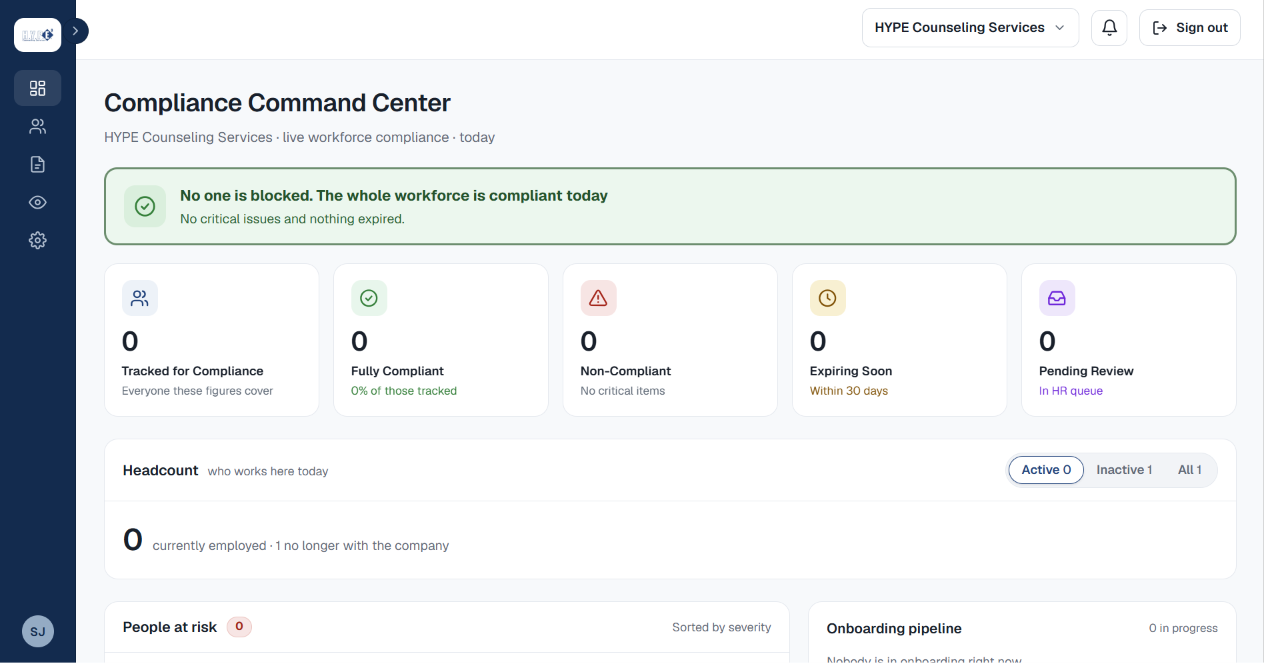
Compliance software has a reputation for being painful to use, and it's earned. We design for the person who opens this forty times a day.
Documents & Workflows
Three layers. One team.
Nobody to coordinate but us.
Handoffs are where projects die.
You can hire a design firm, a dev shop and an automation consultant. Then you manage them.
Documents
The part that reads, sorts and files. Where the hours come back.
Removes the manual workPlatform
Where it lives, and how it connects to what you already run.
Makes it usable dailyInterface
The screens your team opens. Whether people use it is a design question.
Gets it adoptedAll three, one team
One scope, one contract, one person answerable. When the document handling changes, the screens change with it in the same week. That’s the whole argument.
No coordination costThe four we get every time.
You're in Pakistan. How does that work for a US client?
We work your hours for calls, overlapping your morning. The rest is async, so you get progress overnight. Every client on this site is US, UK or EU based, and most are on their second or third project with us. Ask any of them.
We handle medical records. Can you build to HIPAA?
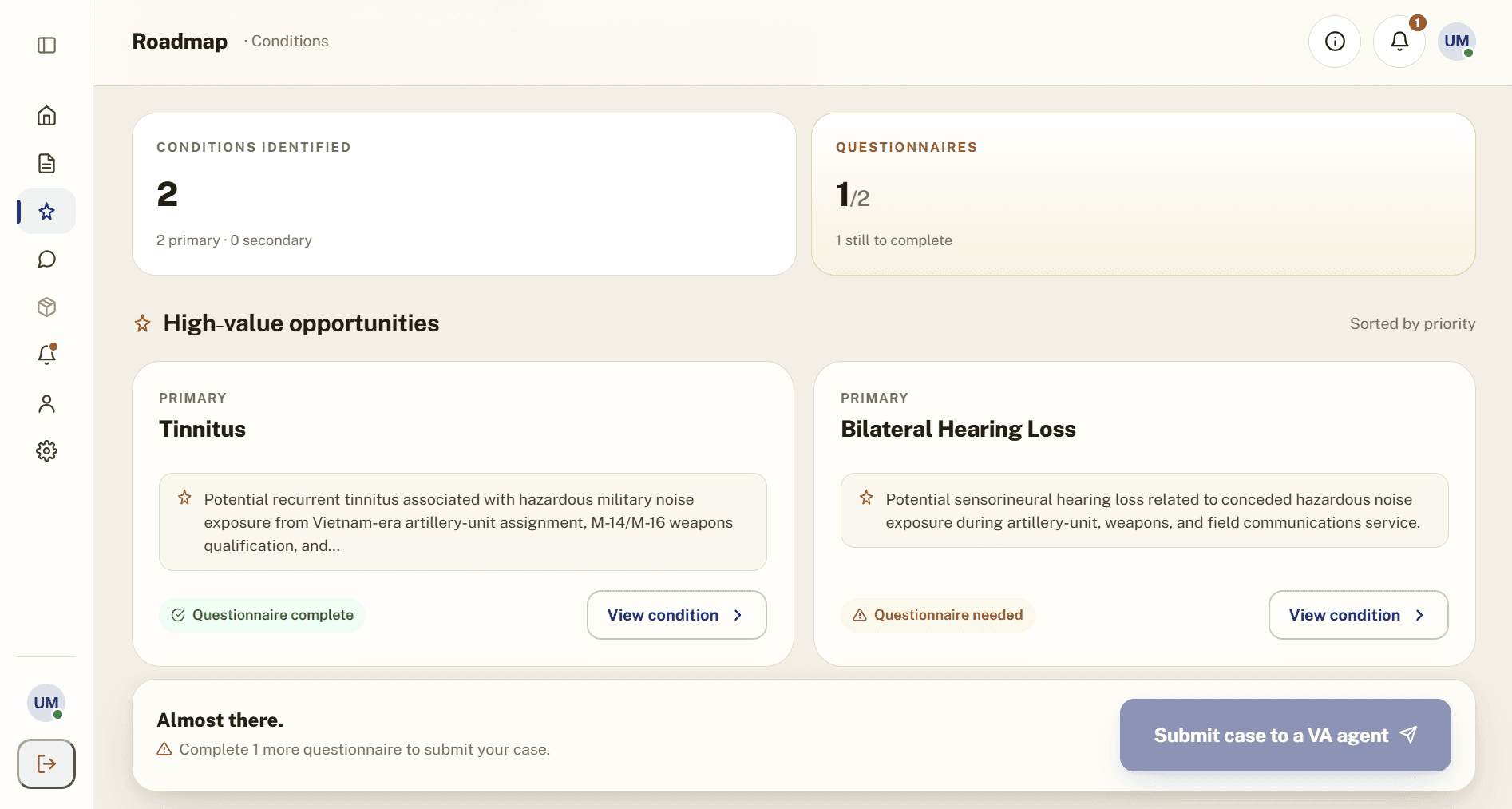
Yes, and we have. VA Claims Made Easy is a HIPAA-compliant claims platform on AWS, with custom login, encrypted storage, and a person checking everything before it reaches a veteran. We check which rules apply to you before we quote, including ones you haven’t mentioned. Substance use records, for example, carry a second rule on top of HIPAA that changes the design.
Who owns what you build?
You do. The code goes to your accounts, on your infrastructure, and it’s in the contract before work starts. We don’t license your own system back to you.
We already have tools. Do we replace them?
Almost never, and be careful with anyone who says yes. Most of what we build sits between tools you already pay for. Peopleworks kept Pipefy and we built around it. The audit tells you what to keep before it tells you what to add.
Anything else, ask it on the call.
Book a 30-min call